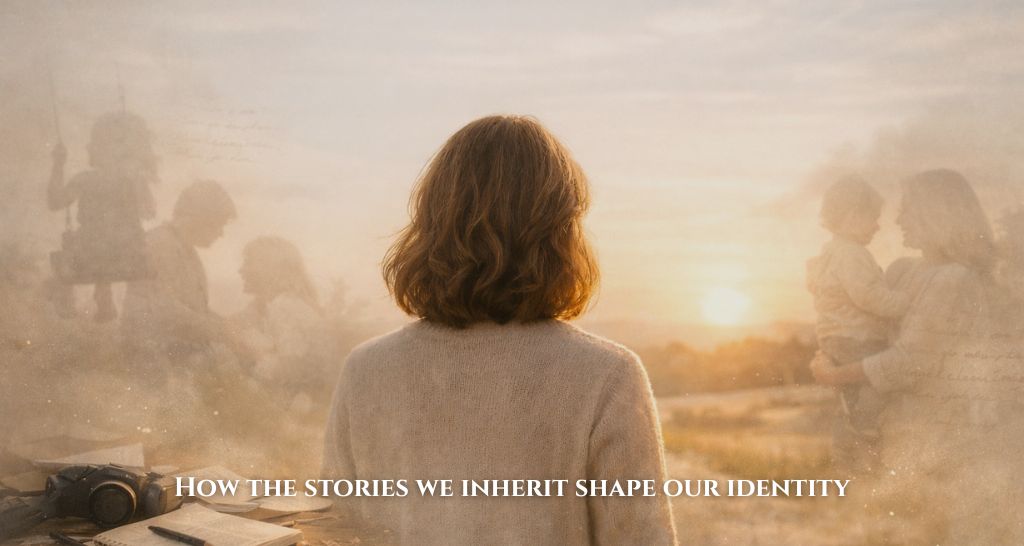
Most of us don’t decide who we are as we grow up.
We learn about ourselves from the messages we hear and see around us.
Some messages are easy to notice, like when a parent tells you that you’re capable, creative, or strong. Others are more subtle. They show up in family dynamics, expectations, silence, or how people treat you over the years.
By adulthood, many of these messages feel like facts.
But are they really?
The Stories We Carry From Childhood
Children are always trying to figure out where they fit in. They notice how people treat them, how they’re spoken to, and whether they feel valued or ignored.
Over time, these experiences turn into stories.
A child who feels supported might grow up believing their voice matters. A child who feels rejected could carry a very different story into adulthood.
The problem is, we rarely stop to ask where these beliefs come from. We just assume they’re true.
When a Story Becomes an Identity
This idea is one of the main themes in Love Child by Amanda May Philp.
In her memoir, Amanda shares what it was like to grow up feeling abandoned, rejected, and invisible. These experiences shaped how she saw herself for a long time. The pain was real, but so was the story she built around it.
Many people will see this pattern in their own lives.
An experience becomes a belief.
A belief becomes part of an identity.
Soon, people find themselves living by a story they never chose.
This doesn’t just happen in childhood. It can also happen after loss, trauma, tough relationships, or any experience that leaves a mark.
Looking at Old Stories Differently
A big part of personal growth is learning to look at the stories we’ve inherited.
This doesn’t mean ignoring the past or pretending painful things never happened. It means asking if those experiences tell the whole story about who we are.
People often realize that the labels they’ve carried for years no longer fit. The story that once made sense starts to feel incomplete.
This change can feel uncomfortable, but it can also be freeing.
Instead of asking, “What’s wrong with me?” people start to ask, “What have I been taught to believe about myself?”
Reclaiming the Right to Define Yourself
Amanda’s story in Love Child isn’t just about surviving hard times. It’s about taking back her identity.
In the memoir, readers see what happens when someone begins to separate who they are from the pain they’ve endured. It’s not a quick or easy process, but it makes space for self-understanding, resilience, and a stronger sense of self.
This idea resonates because it’s something deeply human.
Most of us carry stories we didn’t choose. Family experiences, childhood wounds, and personal struggles all leave a mark. But these things don’t have to decide our future.
The Stories We Keep
The stories we inherit will always be with us. Some give us wisdom, strength, and connection. Others are worth questioning.
Understanding where our beliefs come from can change how we see ourselves today.
Love Child reminds us that identity isn’t shaped by just one moment, one relationship, or one wound. It changes and grows over time. Sometimes growth begins when we stop accepting old stories as permanent truths and start deciding which ones still belong in our lives.