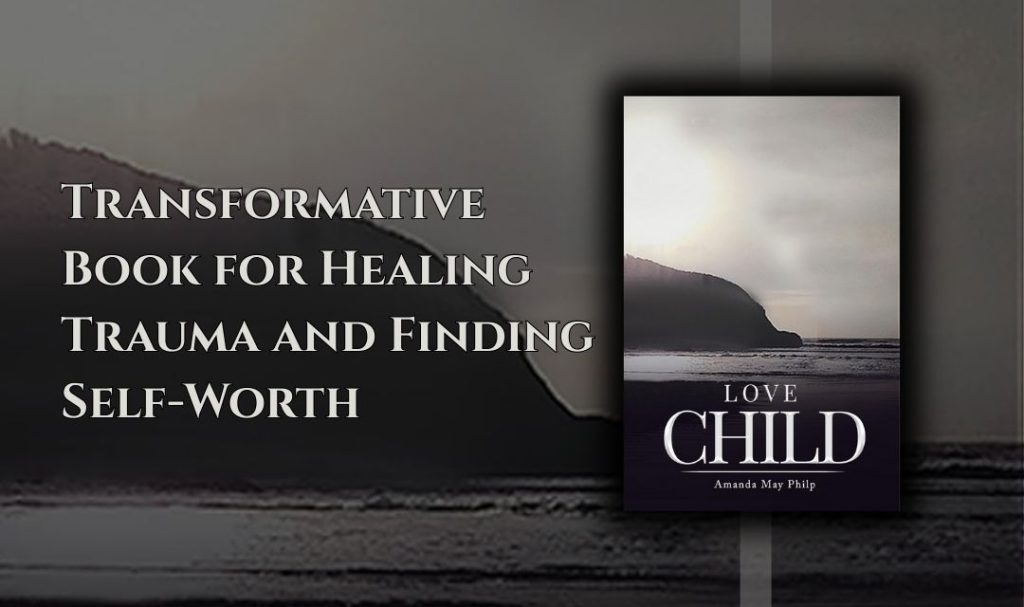
Books have a strange nature of attraction towards them, while some take on the job of entertaining us, others look forward to keeping us informed, but there are very few among them who choose to heal us. Amanda May Philp’s Love Child is one such book. More than a memoir, it is a raw, poetic testament to survival, resilience, and the long, often messy road toward self-worth and recognition. The story of a child who needs to speak up after years of being silence and under trauma.
Here in this blog, we try to unpack why the book Love Child is a Transformative book for all those who are looking to heal their wounds unapologetically and live the rest of their lives in peace.
A Life Laid Bare:
What makes the book so captivating to readers is the poetical and rhythmic voice of the narrator. Right from the beginning of the book, you would notice the voice of Philp. She weaves memories of a childhood marked by religious rigidity, family secrets, and a constant sense of being an outsider. The detail is vivid and unfiltered.
It gives you a sense of the realistic sufferings of a child. There are instances in the story where you would find birth scenes, the sting of corporal punishment, and the loneliness of being the “new kid” over and over again.
Most importantly, it’s the author’s undeterred voice that keeps readers hooked to each new chapter. You find stories that are confronted with courage and dealt with with a lot of maturity. These are the high risks that Amanda Philp takes on and enjoys, while most writers would have buried those chapters in silence.
Philp shares her experiences of sexual assault, emotional neglect, and life on the fringes of safety with a candor that can be difficult to read but impossible to forget. By telling these truths without self-pity, she offers readers who have endured similar pain a rare form of validation: acknowledgment without sugarcoating.
Trauma Told with Nuance:
Trauma is one of the features of our lives that shapes our personalities like no other. The book Love Child‘s most transformative quality is its ability to articulate the complexity of trauma. Philp doesn’t present healing as a straight line from brokenness to wholeness. She shows the spirals, setbacks, and small victories that make recovery feel fragile and hard-won. This stance of the author makes her more realistic, and modern-day readers could wholeheartedly relate to her.
Like many of the paradoxes we face, Philp goes through the same learning to survive and trust the already proven safe and secure world. The reader walks with her through moments of tenderness, a compassionate uncle’s support, a random encounter with kindness on a Florida beach, and moments of devastating betrayal. These contrasts make the healing journey feel real, not theoretical.
She describes all that goes on in the lives of ordinary men and women around us. She doesn’t use trauma to grapple with the readers emotionally. Instead, trauma is told subtly with all its nuances.
Reclaiming Self-Worth:
Another important notion of the book worth reading is the right to define oneself. There are societal norms, public shame, and lots of trials and troubles that people face with the notion of illegitimacy. The silencing effects of patriarchal religion and the self-doubt planted by abuse. Through each chapter, she models what it means to refuse to be solely defined by what happened to you.
She takes on the role and doesn’t wait for the affirmations of society to define who she is; instead, she challenges the times and silences people around her with her work and courage to be who she is.
Her “four hard and fast rules” for survival, forged during a night of profound vulnerability, are a compelling takeaway. They offer a framework for self-protection that is practical, personal, and rooted in self-respect.
In a world where she is asked to remain vulnerable and quiet, she takes on the charge of staying true to herself and reclaiming her destiny.
Why This Book Matters for Healing:
When you look for books, one of the first things you hope to understand is the dilemma the protagonist goes through. The book is about sharing the author’s experience and bearing witness to her life. It is a perfect guide because it invites you to reflect on your inherited beliefs, relationships, and self-narratives and decide which ones you’re ready to challenge.
A mirror: validating feelings and experiences that may have been minimized or dismissed.
A guide: offering practical insights for setting boundaries and protecting peace.
A companion: reminding you that survival is not a solitary act, even when it feels that way.
The book is a contribution to all the relationships one has with people. It is a must-read for everyone who has allies, partners, parents, and children who want to be understood and live a life of their own without the interference of grief and trauma.